


0 0,00 zł
free delivery from 300zł
Go to cart ›No products
Free shipping! Shipping
0,00 zł Total
Prices are shown in Polish złoty (PLN).
Choose your currency:
Prices in zloty - you can change the currency at any time at the top of the page.
Welcome
Login
Product successfully added to your shopping cart
Quantity
Total
There are 0 items in your cart. There is 1 item in your cart.
Total products
Total shipping (tax incl.) Free shipping!
Total
- Classic Cubes
- Puzzles
- Pyraminx 132
- Megaminx 144
- Minx+ 42
- Skewb 93
- Square-1 37
- Clock 38
- FTO and CTO 19
- Mirror 64
- Gear 41
- Shape Mods 201
- Axis, Fisher and Windmill 43
- Ghost Cube 10
- Mixup 15
- Crazy and Bermuda 45
- Void & Bandaged 32
- Unusual Cubes 20
- Cuboids 78
- Pyramorphix/Mastermorphix 32
- Helicopter, Dino and Rex 33
- Polyhedra 102
- Snake 47
- Magic 3
- Rainbow Ball 8
- Klotski 22
- Brain Teasers 62
- Fidget Toys 24
- Shape Mods 37
- Picture Cubes 26
- Keychains 22
- Giant Cubes 37
- Mini 24
- Collectible Cubes 57
- Mosaic Cubes 13
- Cube Sets 29
- Other 2
- Smart Cubes & Electronic Puzzles
- Accessories
- Hobby
- Lubes
- Outlet

Cuboids
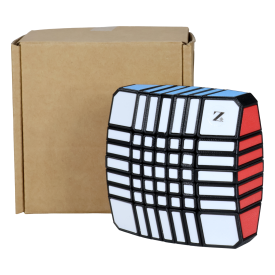


- 5.0 (4)19,99 zł
- 4.6 (11)19,99 zł 17,99 zł
- 4.8 (6)14,99 zł 11,99 zł
- 4.5 (11)19,99 zł 17,99 zł
- 4.7 (3)19,99 zł
- 19,99 zł
- 5.0 (1)14,99 zł
- 5.0 (1)19,99 zł
- 4.8 (5)19,99 zł
- 49,99 zł
- 14,99 zł
- 4.5 (2)29,99 zł
- 4.5 (2)17,99 zł
- 14,99 zł
- 99,99 zł
- 69,99 zł
- 19,99 zł
- 19,99 zł
- 24,99 zł
- 59,99 zł
- 149,99 zł
- 29,99 zł
- 4.7 (3)24,99 zł


