


No products
Prices are shown in Polish złoty (PLN).
Choose your currency:
Prices in zloty - you can change the currency at any time at the top of the page.
- Classic Cubes
- Puzzles
- Pyraminx 132
- Megaminx 144
- Minx+ 42
- Skewb 93
- Square-1 37
- Clock 38
- FTO and CTO 19
- Mirror 64
- Gear 41
- Shape Mods 201
- Axis, Fisher and Windmill 43
- Ghost Cube 10
- Mixup 15
- Crazy and Bermuda 45
- Void & Bandaged 32
- Unusual Cubes 20
- Cuboids 78
- Pyramorphix/Mastermorphix 32
- Helicopter, Dino and Rex 33
- Polyhedra 102
- Snake 47
- Magic 3
- Rainbow Ball 8
- Klotski 22
- Brain Teasers 62
- Fidget Toys 24
- Shape Mods 37
- Picture Cubes 26
- Keychains 22
- Giant Cubes 37
- Mini 24
- Collectible Cubes 57
- Mosaic Cubes 13
- Cube Sets 29
- Other 2
- Smart Cubes & Electronic Puzzles
- Accessories
- Hobby
- Lubes
- Outlet


How to Lube a Speed Cube: The Complete Guide to Cube Lubes
Lube is the cheapest way to make your cube turn better. A few drops costing just a few złoty can turn a dry, scratchy cube into a smooth, quiet one. It can also ruin a good cube if the lube is wrong or you use too much. In this guide we have gathered everything we have learned over years of selling and setting up cubes: from a 2-minute lubing method for beginners, through the history and chemistry of lubes, to mixing, layering and choosing the right lube for a specific puzzle. At the end you will find a big table of all the lubes we stock.
- Lubing in 2 minutes (for beginners)
- Why lube your cube
- A short history of cube lubes
- Chemistry: silicone, water and viscosity
- The philosophy of lubing: speed, control, feel
- Where to lube: cube anatomy
- Full lubing step by step
- Mixing and layering lubes
- Ready-made recipes
- Lubing different puzzles
- Lube table
- Problems and how to fix them
- Lubing myths
- Frequently asked questions
1. Lubing in 2 minutes (for beginners)
You don't need to take your cube apart or know any theory. This method works on any 3x3 cube and most other puzzles.
- Get one all-round lube. To start with, a medium-viscosity lube works best, e.g. Adheron or LUBEST XMT 10. Don't buy five lubes straight away, one is more than enough.
- Turn the top layer 45° (half a move). A gap will open between the layers, through which you can see the inside of the cube.
- Drip 1 drop of lube into the gap, onto the inner part of the pieces, not onto the stickers or the outside of the cube.
- Repeat this for 2-3 other layers (rotate the cube and open up another face). That's 2-4 drops in total for a 3x3 cube. It really is enough.
- Turn the cube for 2-3 minutes on all faces. The lube needs to spread through the mechanism. Right after lubing, a cube can feel "heavy" - that's normal.
- Wipe off any excess with a tissue if lube has leaked out.
 Adheronall-round, medium viscosity, great to start
 LUBEST™ XMT 10faster, our bestseller
 GAN Lube v1 (10 ml)GAN lube for regular maintenance
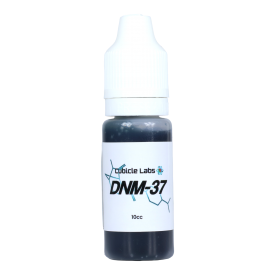 Cubicle DNM-37water-based, when you want a fast cube
2. Why lube your cube
A cube consists of dozens of plastic pieces that slide against each other thousands of times in a single practice session. Lube does the same job in a cube as oil in an engine: it reduces friction, quiets the mechanism and protects the plastic from wear. But in a cube, lube also does something nobody wants in an engine: it changes the cube's character. The same model lubed with two different lubes can behave like two different cubes.
Almost every new speed cube comes factory-lubed. Factory lube is a compromise, though - it's meant to suit everyone. After a few weeks of intensive solving it dries out or spreads, and the cube starts to feel dry, louder and "scratchy". That's a sign it's time to lube.
Signs that your cube needs lube:
- you hear a dry, plasticky rustle or grinding when turning,
- the cube feels "scratchy" (so-called gravel, a sandy feeling in the mechanism),
- turns are uneven - a layer moves easily one moment and catches the next,
- the cube has become noticeably slower or, on the contrary, too light and jumpy once the lube has dried.
3. A short history of cube lubes
People have been lubing cubes almost as long as they have been solving them. The history of lubes is largely a history of mistakes: before cube lubes existed, anything that happened to be in the cupboard ended up in the mechanism.
1980-1981: graphite, talc and Teflon. The oldest records of cube lubing come from the Cube-Lovers mailing list run at MIT, a few months after the cube appeared in the USA. In August 1980 Dave Dyer described dry graphite lubricant poured into the gaps ("the cube turns MUCH more smoothly"). A few weeks later came the first-ever warning against a bad lube: a molybdenum disulfide product intended for metal "eats plastic". In November 1980 someone recommended Tufoil, a suspension of Teflon particles in synthetic oil, noting that the amount was "rather critical". This is the same idea on which Lubicle 1 was based almost 40 years later. Talc, soap, candle wax and paraffin were also tested. In 1981 one participant named silicone grease for diving equipment seals as the best option. Another noticed that lube needs to be matched to the cube's tension, and that a cold cube needs a few minutes of turning to "warm up". Both observations still hold true today.
The 1990s and 2000s: petroleum jelly and sprays. At home, petroleum jelly, baby oils, WD-40 and silicone sprays from DIY stores reigned supreme. The first speedcubers on forums reported that sprays "melted" the plastic and left a white residue. The culprits were the solvents and propellant, not the silicone itself.
Around 2009-2012: the first cube lubes. The most popular lube of that era was Lubix, a thick, pure silicone oil. There were even "Lubix" cubes sold pre-lubed with it, such as the 2010 DaYan GuHong. Lubix was expensive, so speedcubers quickly discovered that silicone oil for RC car differentials did the same job. A recipe for a "Lubix clone" circulated on forums: Traxxas 30k and 50k in a 1:1 ratio. That's how Traxxas 50k found its way into cubes, where it remains to this day. From Taiwan came the rare silicone-and-water Maru lube: fast and cheap, but drying out within a few days.
2011-2018: shops create their own lubes. The American shops SpeedCubeShop (2009) and TheCubicle (2011) began selling their own lubes: viscosity series (Weight 1-5), Lubicle lubes (Speedy, Silk, Black, Lubicle 1 with Teflon), the water-based DNM-37 and the Angstrom line with additives (Gravitas, Dignitas). Lubing stopped being "a drop of whatever" and became a matter of choosing viscosity. In 2017 we at Strefa Kostek released our first lube, LUBEST XMT 10. Before launch, it was tested by 20 people on 115 cubes.
2016-2017: magnets. First came cubes with hand-installed magnets, and in 2016-2017 the GAN 356 Air UM, the first factory-magnetized cube. Magnets stop the layers on their own, so lube no longer has to provide as much braking. Lubing became more about fine-tuning the feel than fighting friction.
2018-2020: serious chemistry. In 2018 the water-based Compound X appeared, which slows a cube down even though water-based lubes usually sped cubes up. In 2019 Cubicle Labs released Mystic, according to the manufacturer the first plant-based cube lube (aloe), and the two-part Celeritas, in which two reagents only react with each other inside the cube. That same year we added the Adheron series (Adheron and Adheron Heavy, later Adheron Lite), and in 2020 LUBEST PRO. Since 2020 our LUBEST lubes have also been sold by the American shop TheCubicle. The Square-1 on which Brian Johnson set a 2.85 s world record was set up with XMT 10 and Weight 5 (TheCubicle sells a replica with the same lube setup). 2020 also saw the release of MAX Fleet and MAX Command, signature lubes by Max Park.
2021: maglev. The GAN12 MagLev replaced the springs in the core with repelling magnets. Manufacturers began recommending lubing the pieces only, while complex, adjustable cores (maglev, Tornado V3) are not lubed at all.
2022 and later: new bases. GAN replaced its Magic Lube with the No.1-3 series (Maintenance, Accel, Mastery). China's PiCube released the colourful PiLube series and Blue silicones with stated viscosities (3k-100k). In 2023-2025, chemist and speedcuber Hongyuan Fu created the FZ series for TheCubicle: silicone-free lubes based on hydroxyl compounds, including FZ-Stealth, which contains neither water nor silicone. Today there are hundreds of lubes on the market, but the rule from 1980 still applies: use a little, choose it well, and nothing that eats plastic.
4. Chemistry: silicone, water and viscosity
You don't need to know chemistry to lube a cube well. But a few basics help you understand why some lubes mix and others don't, and why some household products damage cubes.
Silicone (PDMS)
Most cube lubes are silicone oil, i.e. polydimethylsiloxane (PDMS). It consists of long chains of silicon and oxygen atoms. The longer the chains, the thicker the oil: from a liquid as thin as water to a thick, stringy mass. Silicone is chemically inert - it doesn't react with the cube's plastic, doesn't evaporate and its viscosity barely changes with temperature (much less than mineral oils). That's why it's the basis of core lubes and all lubes meant to last a long time. Silicone oil on its own neither dries out nor hardens. When a cube "speeds up" over time, the lube is simply spreading into a thinner layer, being pushed out of the contact points and mixing with dust from the wearing plastic.
Viscosity and numbers like "50k"
Oil viscosity is given in centistokes (cSt). Water is about 1 cSt, while silicone oil for cubes ranges from a few hundred to tens of thousands. The number "50k" on RC model oil means about 50,000 cSt. In the PiLube Blue series, the numbers (3k, 5k, 10k) indicate exactly that: viscosity. Note: labels like "Weight 1-5", "No.1-3" or "Lite/Heavy" are scales specific to each manufacturer. One company's Weight 5 isn't necessarily the same as another's "weight 5".
Water-based lubes
Water-based lubes (e.g. DNM-37, MoYu V2, M-1, Maru, Z-Lube, PiLube White) are very thin, so the cube speeds up right after application. However, water evaporates: the effect lasts from a few hours to a few days, and leaves a residue once dried. DNM-37 contains an ingredient that absorbs moisture from the air, so it dries more slowly. There are also water-based lubes that slow a cube down, e.g. Compound X with charged silicone polymers. Any lube containing water can cause metal parts to rust.
Silicone-free and specialty lubes
- Hydroxyl lubes (FZ series): based on compounds with an -OH group; the manufacturer doesn't disclose the exact composition. They give a soft, dampened feel and are easy to clean off.
- Solid additives: Teflon (PTFE) in Lubicle 1, micro-nitride in Dignitas, nano-additives in Gravitas. They are meant to smooth out micro-scratches and protect the plastic from wear.
- Two-part lubes: Celeritas, in which two reagents only react with each other inside the cube.
- Plant-based lubes: Mystic, based on aloe, with a limited shelf life.
- Greases (thick as paste, e.g. PiLube Cheese, FZ-Super Honey): sticky resistance that doesn't fade once spread.
Why not WD-40, petroleum jelly or sprays
Cubes are usually made of ABS plastic. ABS is dissolved by ketones (e.g. acetone) and esters, and it is also damaged by chlorinated and aromatic solvents. The second danger is environmental stress cracking: plastic that carries internal stress from moulding or is squeezed by the cube's tension cracks when exposed to chemicals that would otherwise be harmless. That's why it's best not to experiment with random oils and solvents.
- WD-40 is mostly a hydrocarbon solvent with some light oil. The cube is fast for a while, then a sticky residue is left behind.
- Silicone spray is mainly solvents and propellant, with only a little silicone. It can't be dosed, and some manufacturers state outright that it's not for plastics.
- Petroleum jelly won't melt the cube straight away, but it's sticky, collects dirt, is hard to remove, and with prolonged contact it can promote cracking of the plastic.
The conclusion is simple: cube lube costs from a few to a dozen or so złoty and lasts for years, whereas a damaged cube can't be repaired.
5. The philosophy of lubing: speed, control, feel
Speed and control
Every lube shifts the cube somewhere along an axis between speed (layers turn easily and travel far) and control (layers brake on their own and stop where you want them). Thin lubes and water-based lubes lean towards speed, thick silicones towards control. There's no "best" lube - only a lube that suits your cube, your hands and your solving style.
Static and dynamic friction
This is the most important distinction in the whole guide. Static friction is the resistance you feel at the moment a layer starts moving. Dynamic friction is the resistance during the turn. A good cube starts moving easily (low static friction) but has some resistance during the turn, which slows it down in the right place. A lube with too little dynamic resistance causes overshooting: the layer goes too far and you have to bring it back. A lube whose resistance rises sharply with turning speed gives a gummy feel: the cube feels as if it were dipped in honey, resisting fast fingers while turning easily at slow speeds.
Feel and sound
Speedcubers describe cubes in words that sound like wine tasting notes: smooth, buttery, plush (soft, dampened), crisp (distinct, "clicky"), scratchy, airy (light, hollow). Lube has a strong influence on these sensations. Thick silicones and lubes like FZ-Calm or Silk quiet the cube and give it a soft feel, while water-based lubes leave it more "raw" and resonant. Sound isn't just about aesthetics. Many people can hear when a layer is properly aligned.
Consistency
A cube that feels different on the twentieth solve than on the first is hard to master. Water-based lubes change quickly (drying within hours or days), and thick silicones often "break in", making the cube speed up during a session. That's why competitors lube their cubes a few days before a competition, not on the morning of the event.
Lube is the last adjustment, not the first
The order for setting up a cube: first tension (make sure the cube isn't too loose or too tight), then magnets (if the model is adjustable), and finally lube. Lube won't fix a cube whose tension is too loose and pops, or one tightened so much you have to fight it.
6. Where to lube: cube anatomy
A 3x3 cube has two zones that are lubed in completely different ways.
The mechanism (core): the core (cross), screws, springs, the undersides of the centres, and in newer cubes also core balls, maglev system springs and adjustment rings. Here, lube is meant to prevent metal rubbing against plastic and to quiet the springs. Thick silicone lubes are used, e.g. Traxxas 50k, Weight 5, Adheron Heavy or LUBEST PRO. Core lube lasts a very long time, often for months.
The pieces: the inner surfaces of edges and corners, their "feet" and the tracks they slide along. This is where lube changes the cube's feel. Lighter lubes are used: water-based lubes, thin silicones and special piece lubes.
What not to lube: magnets (lube collects dust and does nothing), stickers and outer surfaces (slippery fingers), electronics in smart cubes and clocks, and parts that are meant to hold by friction, such as centre caps.
7. Full lubing step by step
A full lube with the cube taken apart is done rarely: on a new cube you want to set up your way, after a few months of use, or when the cube is dirty or over-lubed.
- Take the cube apart. Turn the top layer 45° and gently pry out an edge (with your finger or a plastic card). In cubes with balls in the core, pieces pop out more easily; in maglev cubes, watch out for small parts. Put the pieces in one pile and leave the core intact.
- Clean. If the cube had old lube in it, wipe each piece using one of two methods: a cloth dampened with warm water and washing-up liquid (well wrung out) or a paper towel lightly moistened with isopropyl alcohol, e.g. IPA isopropanol. Isopropanol removes greasy dirt and old silicone lube well, and it evaporates quickly. Avoid soaking the pieces: water stays in the nooks of the cube for a long time, and even a single drop can later spoil the lubing (and risks rust in the core). The cube must be completely dry before lubing. Wipe the core with a dry tissue.
- Lube the core. 1 drop of thick silicone lube on each spring, where the screw meets the centre, and on the underside of each centre (where the pieces slide). Turn the centres to spread the lube. In maglev cubes and those with a complex, adjustable core, skip this step.
- Reassemble the cube. First the bottom layer and the middle-layer edges, then the top layer, inserting the last edge with the layer turned 45°.
- Lube the pieces using the method from section 1: 2-4 drops of piece lube dripped into the gaps with a layer turned 45°. Lubing the pieces after reassembly is more convenient and makes it harder to overdo it.
- Set the tension. If the cube is adjustable, check that all sides are at the same setting.
- Break in the lube. Turn the cube for at least 10-15 minutes, ideally solving it a few dozen times. Your first impression after lubing is almost always misleading. Leave judging the cube until the next day.
How much lube? As a guide for a 3x3 cube: 2-4 drops of thin piece lube, 1-2 drops of thick lube (thick lube has a stronger effect), 3-6 drops for the core (one per spring and centre underside). Proportionally more for bigger cubes, less for a 2x2.
 Cubicle Traxxas 50kclassic core lube
 Cubicle Lubicle Blackfor screws and springs, quiets
 Adheron Heavythick, for core and slowing down
 LUBEST PRO™thicker LUBEST, core and rings
8. Mixing and layering lubes
This is where real cube setup begins. There are two ways of combining lubes, and they're often confused.
Mixing means combining two lubes into one (e.g. a drop of thick and a drop of thin lube on a bottle cap) to get an intermediate viscosity. Layering means applying two different lubes to the cube one after the other: first one, break it in, then the other. Each works slightly differently, and the result is often better than with a single lube.
Compatibility rules
- Silicone + silicone: mix without any problems. This is the safest and most predictable combination (e.g. the Weight 1-5 series, PiLube Blue, Adheron Lite/Adheron/Heavy, LUBEST XMT 10 with LUBEST PRO).
- Water-based + silicone: don't mix into a uniform liquid, but layer very well. The classic setup: silicone as a base for durability and control, with a drop of water-based lube on top for speed. The water-based lube dries out after a few days, while the silicone remains.
- Water-based + water-based: usually combine, but the effect is short-lived. The exception is pairs designed to be combined, e.g. DNM-37 with Compound X (the manufacturer describes them as opposites).
- Lubes from the same series are designed to be combined: FZ-Rush with FZ-Calm, MoreTry No.1 with No.3, GAN v2 with v1/v3, PiLube White with the silicone PiLubes.
- Specialty lubes (two-part Celeritas, plant-based lubes like Mystic, lubes with metal additives like Lubicle Black) should be used according to the instructions, ideally on a clean cube.
The maths of mixing: why 1:1 isn't "halfway"
Intuition says that mixing 10k and 50k lube half and half gives you 30k. It doesn't. The viscosity of a mixture behaves approximately logarithmically (described by the so-called Arrhenius rule), so the mixture "pulls" towards the thinner component:
| 1:1 mix | "Eyeballed" average | Actual, approx. |
|---|---|---|
| 10k + 50k | 30k | 22k |
| 30k + 50k ("Lubix clone") | 40k | 39k |
| 3k + 10k (PiLube Blue) | 6.5k | 5.5k |
| 1k + 50k | 25.5k | 7k |
The practical takeaway: a small amount of thin lube dilutes a thick one considerably, while to noticeably thicken a thin lube you need to add a lot of thick lube. If you just want to "calm down" a thin lube a little, start with a ratio of 1 drop of thick lube to 2-3 drops of thin. Mix on a clean, smooth surface (e.g. a bottle cap) with a toothpick and apply the finished mix.
9. Ready-made recipes
Starting points that work well for us and our customers. Treat them as a starting point for your own experiments, not as the one true way.
| Goal | Core | Pieces | Notes |
|---|---|---|---|
| First cube, simple and stress-free | leave it | 2-3 drops of Adheron or GAN v1 | lasts a few weeks |
| Make a dry cube faster | leave it | 2-3 drops of LUBEST XMT 10 or Adheron Lite | doesn't slow down, removes dryness |
| Fast and controlled 3x3 | LUBEST PRO | 1-2 drops of Adheron, then after break-in 1 drop of DNM-37 | classic silicone + water-based setup |
| Cube too fast out of the box, overshooting | Adheron Heavy | 2 drops of Compound X or FZ-Super Honey on the edge tracks | dose carefully, strong effect |
| Quiet, soft, "plush" | Lubicle Black | FZ-Calm, Silk or FZ-Stealth | quiets and dampens |
| Speed for competitions | no changes | 1-2 drops of DNM-37 or FZ-Rush 1-3 days before the event | water-based lubes dry out, refresh before competing |
| Consistent long-term setup | Weight 5 | Angstrom Dignitas, PiLube Red or PiLube Yellow | lasts long, changes little |
| "In-between" viscosity | - | Adheron Heavy + Adheron Lite 1:1 | adjust speed with the ratio |
| Big cube 6x6-7x7 | LUBEST PRO on the rings | Adheron Lite or Weight 3, more drops | not too thick, or the cube will grind to a halt |
How the pros lube
TheCubicle sells replicas of top competitors' cubes set up just like their own. Their recipes show well what lubing looks like at the highest level:
- Tymon Kolasiński's GAN12 M MagLev: Gravitas + Dignitas + DNM-37 on the pieces,
- Brian Johnson's Square-1 (2.85 s world record): Weight 5 + LUBEST XMT 10,
- Luke Garrett's cubes: Silk + Dignitas + DNM-37,
- Tymon's 5x5: Gravitas + a touch of DNM-37.
The pattern is almost always the same: one thick silicone for control and durability plus one fast (often water-based) lube for the pieces.
10. Lubing different puzzles
The rules from the previous sections apply everywhere, but each puzzle has its own quirks.
| Puzzle | Pieces | Core | What to watch out for |
|---|---|---|---|
| 2x2 | 1-2 drops of thin or medium lube | 1 drop per spring | few pieces = little lube; easy to over-lube and make it gummy |
| 3x3 | 2-4 drops | 3-6 drops of thick silicone | the reference point for the whole guide |
| 4x4 and 5x5 | 4-8 drops, medium lube | thick silicone; on a 4x4 also the inner rings | a 4x4 that's too fast pops and makes unintended moves more easily, so adding some control is worthwhile |
| 6x6 and bigger | thin or medium silicone, more drops, break in for a long time | thick silicone on the rings and springs | big cubes are heavy by nature, and thick lube on the pieces can "stop" them |
| Pyraminx | 1-2 drops into the layer gaps | a drop on the springs under the tips | turn the tips separately so the lube reaches them |
| Skewb | 2-3 drops of medium lube | a drop on the centre springs | a skewb that's too fast overshoots easily, so control is chosen more often than speed |
| Megaminx | 4-8 drops, medium lube | thick silicone | lots of faces, break in the lube for a long time; watch out for turns getting too heavy |
| Square-1 | thin lube on the layer contact surfaces and the middle slice | a drop on the central axis | the speed of the "/" move is key, and too thick a lube kills it |
| Clock | a drop of thick silicone on the pin and gear axles, very sparingly | only when there's noticeable resistance; the gear mechanism gets dirty easily | |
| Smart cubes | silicone only, sparingly | don't lube the electronics module | no water-based lubes, and don't let lube into the inside of a cube with electronics |
| Maglev cubes and cubes with an adjustable core | thin or medium lube | usually not lubed (e.g. maglev, Tornado V3) | lube in a complex core can damage it; thick lube dampens the springy character of maglev |
 Adheron Litelight, for big cubes
 Cubicle FZ-Calmquiets and adds control
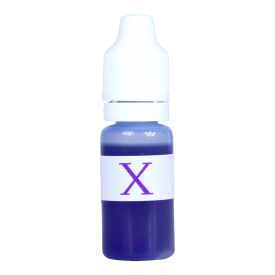 Cubicle Compound Xslows down cubes that are too fast
 Cubicle FZ-Super Honeyfor edge tracks, strong
11. Lube table
All the lubes we stock, grouped by manufacturer. Viscosity is our approximate scale from 1 (very thin) to 10 (very thick), based on manufacturers' descriptions and our own tests. Lubes from different brands don't share a common, official scale, so it's better to compare them within a single series.
| Lube | Base | Viscosity | Effect | Where |
|---|---|---|---|---|
| Strefa Kostek (LUBEST, Adheron) - our lubes | ||||
| LUBEST XMT 10 | silicone | speeds up, removes dryness, long-lasting | pieces | |
| LUBEST PRO | silicone | less static friction, more control, very durable | pieces, springs, rings | |
| Adheron Lite | silicone | smoothness without resistance; thins thicker silicones | pieces | |
| Adheron | silicone | consistent, medium resistance, less overshooting, not gummy | pieces | |
| Adheron Heavy | silicone | noticeably slows down and stabilises | core, pieces | |
| TheCubicle / Cubicle Labs / Angstrom (USA) | ||||
| DNM-37 | water-based | very fast, dries more slowly than typical water-based lubes | pieces | |
| MAX Fleet | water-based, non-Newtonian | very fast, almost no resistance (Max Park signature lube) | pieces | |
| Compound V | water-based | stays fast longer than typical water-based lubes, adheres to plastic, combines with silicones | pieces | |
| Compound X | water-based with silicone polymers | slows down without a gummy feel; "the opposite of DNM-37" | pieces | |
| Angstrom Celeritas | two-part (A+B) | fast, distinct glide; apply to a clean cube | pieces | |
| Angstrom Dignitas | silicone with micro-nitride | speed/smooth balance, protects plastic, durable | pieces | |
| Angstrom Gravitas | silicone with nano-additives | smooth and controlled, very durable | pieces, core | |
| Lubicle 1 | silicone with Teflon | fast, smooths out scratches; shake before use | pieces | |
| Lubicle Speedy | silicone | slightly speeds up, smooth | pieces | |
| Cubicle Labs Silk | silicone | soft, quiet "plush", more control | pieces, core | |
| Cubicle Labs Mystic | plant-based (aloe) | lively, fast; use within a year | pieces | |
| Lubicle Black | with metal additives | quiets springs, protects the core; very messy | core | |
| FZ-Rush | hydroxyl + water | fast right away, easy to wipe off | pieces | |
| FZ-Calm | hydroxyl, silicone-free | smooth, dampened, controlled | pieces | |
| FZ-Glide | hydroxyl + water | soft, quieter, medium speed; hard to overdo | pieces | |
| FZ-Stealth | organic, water-free and silicone-free | fast and quiet, brush applicator with dispenser | pieces | |
| FZ-Super Honey | hydroxyl, water-soluble | very sticky, strongly slows down | edge tracks | |
| Silicone Weight 1 | silicone | thinnest in the series, speed | pieces | |
| Silicone Weight 2 | silicone | removes dryness, barely slows down | pieces | |
| Silicone Weight 3 | silicone | middle of the scale, balanced | pieces, core | |
| Silicone Weight 4 | silicone | noticeable control | core, pieces | |
| Silicone Weight 5 | silicone | thickest in the series, a classic for the core | core, rings | |
| Traxxas 50k | silicone oil (for RC models) | very thick, heavy, lasts for years | core | |
| GAN | ||||
| GAN Lube v1 (No.1 Maintenance) | silicone | everyday maintenance, doesn't change the character much | pieces | |
| GAN Lube v2 (No.2 Accel) | very thin (sources differ on the base) | speeds up immediately, short-lived | pieces | |
| GAN Magic Lube | silicone | predecessor of the No.1-3 series, smooths without much speed-up | pieces | |
| GAN Lube v3 (No.3 Mastery) | silicone | slows down, heavier feel | pieces, core | |
| PiLube (PiCube, China) | ||||
| PiLube White | water-based | quick "boost", best on top of silicone | pieces | |
| PiLube Green | thin additive | additive to the lube already in the cube, fast feel | pieces | |
| PiLube Blue 3k | silicone | stabilises, cube stays fast | pieces | |
| PiLube Blue 5k | silicone | smooth, slightly speeds up | pieces | |
| PiLube Blue 10k | silicone | neutral, quiets, reduces overshooting | pieces, core | |
| PiLube Purple | silicone | speeds up and smooths, fairly durable | pieces | |
| PiLube Red | silicone | maximum smoothness, for blends | pieces | |
| PiLube Yellow | silicone | smooth and stable, calmer than Red, very durable | pieces | |
| PiLube Black | silicone | stability, long-lasting, for blends | pieces | |
| PiLube Cheese Slightly Viscous | grease | sticky resistance, doesn't fade once spread | pieces, tracks | |
| PiLube Cheese Highly Viscous | grease | very sticky, strongly slows down | pieces, tracks | |
| MoYu, QiYi, DaYan, Maru, ZCube, MoreTry | ||||
| MoYu V1 | silicone | smooth, smooths out the feel | pieces | |
| MoYu V2 | water-based | fast, dries within hours to days | pieces | |
| MoYu V3 | silicone | slows down, more control | pieces, core | |
| DaYan | silicone | revives a dried-out cube | pieces | |
| MoFangGe M-Lube | silicone | smooths and quiets, inexpensive | pieces | |
| MoFangGe M-1 | water-based | instant speed, short-lived | pieces | |
| MoFangGe M-2 | silicone | slows down, reduces overshooting, long-lasting | pieces | |
| XMD Lube (X-Man) | silicone approx. 10k | neutral, improves corner cutting | pieces, core | |
| Maru | silicone and water | a classic from years ago, quickly revives a cube, dries after a few days | pieces | |
| Maru Thick | ? | works more slowly but lasts much longer than regular Maru | core, screws, springs | |
| X-lube | water-based | Maru alternative, short burst of speed | pieces | |
| Z-Lube | water-based | quick "boost" of speed, helps break in a new cube | pieces | |
| Z-LUBE Alpha (Speed) | ? | for speed | pieces | |
| Z-LUBE Beta (Smooth) | ? | for smoothness | pieces | |
| Z-LUBE Gamma (Maintenance) | ? | refreshes an already set-up cube | pieces | |
| MoreTry No.1 Faster | ? | speed without losing control | pieces | |
| MoreTry No.2 Smoother | ? | soft, plush, for mixing | pieces | |
| MoreTry No.3 Slower | ? | slows down, dampens overshooting | pieces | |
"?" means the manufacturer doesn't disclose the composition. Water-based and water-containing lubes: never on screws or springs.
12. Problems and how to fix them
| Problem | Cause | What to do |
|---|---|---|
| The cube feels heavy and sticky after lubing | too much lube or too thick a lube | turn for 15-30 min to spread the lube; if that doesn't help, take the cube apart, clean the pieces and lube again with less |
| The cube is too fast and overshoots | lube too thin, dried-out lube, magnets too weak | add a thicker silicone or a "control" lube (Adheron Heavy, Compound X, GAN v3), or tighten the tension slightly |
| Scratchy, sandy feeling (gravel) | new pieces, dust in the mechanism, dry cube | more turning, a drop of silicone lube; if dirty, clean the cube |
| A spring squeaks or creaks | dry springs in the core | a drop of thick silicone on each spring |
| Speed changes during a session | thick lube is breaking in, water-based lube is drying | wait a few days after lubing or switch to a more consistent lube |
| The cube feels "gummy" | too much thick lube or a lube with a gummy character | reduce the amount, thin it with a lighter silicone (e.g. Adheron Lite) |
| Rusty screws or springs | water-based lube in the core | replace or clean the metal parts, use only silicone in the core |
| The cube dried out after a few days | only water-based lube was used | that's normal; use a silicone base, with water-based lube only on top |
13. Lubing myths
- "The more lube, the faster the cube." False. Over-lubing is the most common mistake: the cube becomes heavy and gummy. 2-4 drops on a 3x3 are almost always enough.
- "WD-40 is a good cube lube." It's mainly a solvent. It gives a short-lived effect, then leaves a sticky residue and can damage the plastic.
- "Silicone lube dries out and hardens." Pure silicone oil doesn't dry out. It spreads and mixes with dust, which is why the cube changes over time. Only some specialty lubes harden.
- "Water-based lube can go anywhere." On screws and springs it causes rust. Use only silicone in the core.
- "Weight 5 is always the same." Every manufacturer has its own scale. Compare viscosity within a single series.
- "A 1:1 mix has average viscosity." Its viscosity is noticeably closer to the thinner lube (see section 8).
- "You can clean a cube with anything, e.g. acetone or nail polish remover." Acetone dissolves the cube's plastic. For cleaning, use a paper towel lightly moistened with isopropyl alcohol or a cloth dampened with warm water and washing-up liquid. Don't soak the cube in water, as it stays inside and spoils the lubing.
- "Lube fixes every cube flaw." Lube won't fix bad tension, pops or a cracked piece. Tension and magnets first, then lube.
- "Lubing isn't allowed at competitions." The WCA Regulations (3h+) explicitly allow lubrication, sanding and modifications that improve stability, such as magnets.
- "The most expensive lube is the best." The best lube is the one that matches your cube and solving style. Many competitors set up their cubes with cheap silicones.
14. Frequently asked questions
How often should I lube my cube?
With daily practice, a speedcubing cube is usually re-lubed every 2-6 weeks - more often with water-based lube, less often with thick silicone. The core only needs lubing once every few months. The symptoms from section 2 are a better guide than the calendar.
Does a new cube need lubing?
Usually not straight away. Most cubes are factory-lubed. Solve it a few dozen times first, and only add lube once you know what you want to change.
Which single lube should I buy to start with?
An all-round, medium-viscosity silicone lube, e.g. Adheron, GAN v1 or Angstrom Dignitas. If you want your cube to be faster, choose LUBEST XMT 10 or Adheron Lite. It's worth adding one thick lube for the core.
Can I lube many cubes with one bottle?
Yes. At 2-4 drops per application, a 10 ml bottle is enough for dozens of lubings. In practice, lube is more likely to dry out in a forgotten bottle than to run out, so always close it tightly.
Should I lube kids' cubes and regular puzzle cubes?
A drop of silicone lube will help any puzzle that turns stiffly. But don't expect lube to turn a cheap cube into a speedcubing model - quality is determined above all by the mechanism.
I've used too much lube. What now?
First, turn the cube for 10-15 minutes and wipe off any excess that comes out. If it's still too slow after a day, take it apart, wipe the pieces with a paper towel lightly moistened with isopropanol or a cloth dampened with warm water and washing-up liquid, wait until everything is completely dry, and lube again with less.
Have a question that isn't answered here? Leave a comment and we'll add it to the guide. Also check out our free solving courses and all our cube lubes.
Related products
LUBEST™ XMT 10 Cube Lube
Price: 14,99 złLUBEST™ XMT 10 thick cube lube in a 20 ml bottle. It reduces friction between...
Adheron Cube Lube
Price: 9,99 złAdheron is a medium-viscosity cube lube. It gives your cube constant, medium...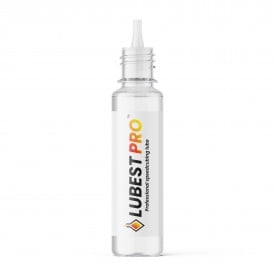
LUBEST PRO™ Cube Lube
Price: 19,99 złSilicone cube lube with a higher viscosity than LUBEST XMT 10. It reduces...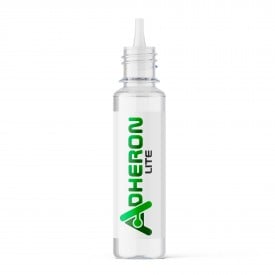
Adheron Lite Cube Lube
Price: 9,99 złLow-viscosity cube lube in a 20 ml bottle. It makes your cube turn more...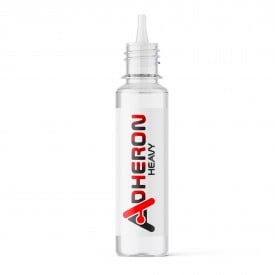
Adheron Heavy Cube Lube
Price: 9,99 złA thick silicone cube lube from the Adheron series in a 20 ml bottle. It...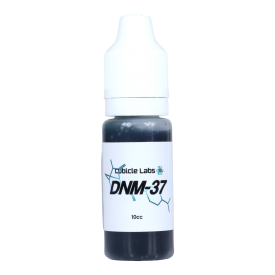
Cubicle DNM-37 Lube
Price: 34,99 złA fast water-based lube from Cubicle Labs. It speeds up your cube right after...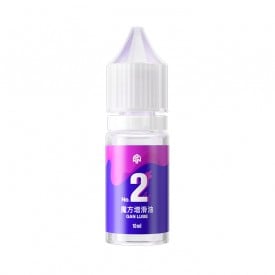
GAN Lube v2 Lube (10 ml)
Price: 18,99 złGAN Lube v2 (No.2 Accel) is the thinnest lube in the GAN series. It's...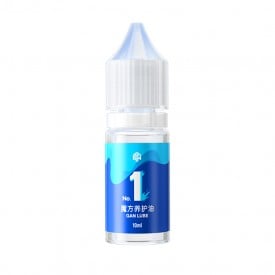
GAN Lube v1 (10 ml)
Price: 14,99 złLow-viscosity GAN silicone lube in a 10 ml bottle for routine maintenance of...
Cubicle Angstrom Gravitas Lube
Price: 29,99 złAngstrom Gravitas by Cubicle is a thick silicone lube that slows your cube...
Cubicle Angstrom Dignitas Lube
Price: 29,99 złAngstrom Dignitas by Cubicle is a medium-viscosity silicone piece lube. It...
Leave a comment
Related posts
-
 How to Learn Cube Algorithms Faster: A Research-Based GuideHow do you learn PLL and OLL algorithms effectively, train for speedcubing and memorize for blindfolded solving? A...
- Boys' Day Gift GuideWhat to buy for Boys' Day? Gift ideas: 3x3 and 4x4 cubes, Megaminx, Pyraminx, Mirror Cube and a pen spinning pen,...
- What Is a Fingerboard?What are fingerboards and fingerboarding? The history of mini skateboards, how a board is built, obstacles and ramps,...